About HARDNESS TESTING MACHINES
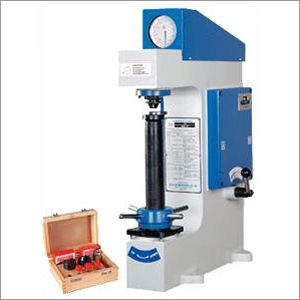
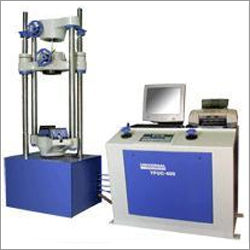
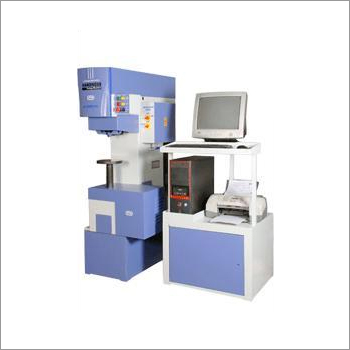
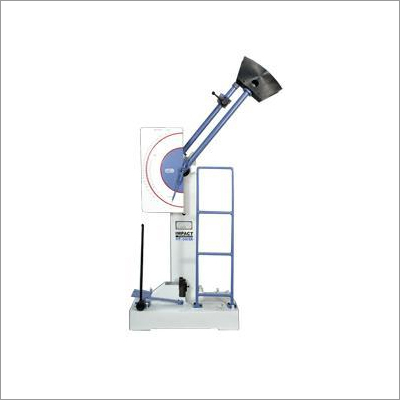
We are able to gain huge popularity in the industry, by manufacturing and supplying an excellent range of Hardness Testing Machines. Manufactured using premium grade materials and modern technology, these machines are ideal for rockwell as well brinell tests. Easy to install and maintain, these Hardness Testing Machines are recognized over the global platform for their rugged construction, accurate measurement and longer service life. In addition, we offer these machines in the qualitative packaging to avoid damage during transportation.
Further Details:
Versatility Across Hardness ScalesThis machine seamlessly performs Brinell, Rockwell, and Vickers hardness tests, switching between diamond and steel ball indenters. It accommodates a wide range of specimen sizes and heights, making it suitable for metals and engineering materials. The variable test speed and automatic features contribute to precise measurements over a spectrum of applications.
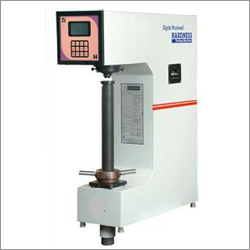
User-Oriented Controls and SafetyEngineered for convenience, the machine offers both manual and automatic operation modes. An overload protection system enhances operator safety, while clear digital displays and instant response time streamline workflow. The integrated illumination system ensures that even small or dark samples are measured with utmost clarity.
Compliance and ReliabilityMeeting the latest IS and ASTM standards, this hardness tester guarantees dependable, standardized results with an accuracy of 1%. Its ergonomic design and robust construction provide stability and repeatability, critical for laboratory, industrial, or field settings in India and beyond.
FAQs of HARDNESS TESTING MACHINES:
Q: How does the hardness testing machine operate using different indenters?
A: The machine uses either a diamond cone or steel ball indenter, depending on the selected Brinell, Rockwell, or Vickers test method. The appropriate indenter, combined with dead weight or motorized loading, ensures accurate hardness assessment as per industry standards.
Q: What types of materials and specimen sizes can be tested with this equipment?
A: The machine is designed for metals, alloys, and engineering materials. It accommodates specimens from 2 mm up to 250 mm in height and can apply test loads up to 3000 kgf, making it suitable for a wide range of sample sizes and material types.
Q: When should I use the automatic versus manual control mode?
A: Automatic mode is ideal for routine or repetitive testing, ensuring speed and consistency, while manual mode offers flexibility for more specialized or delicate measurements. Both modes provide precise, instant results.
Q: Where can the hardness testing machine be installed and used?
A: With its benchtop or floor-standing configurations, this machine fits laboratories, quality control rooms, and industrial environments. The robust build and overload safety ensure reliable performance wherever it is installed.
Q: What is the process for performing a hardness test on this machine?
A: Select the appropriate scale and indenter, position the specimen under the test head, set the required load and speed, and initiate the test using manual or automatic controls. Results appear instantly on the digital display, with options for data storage.
Q: How does the overload protection system benefit operation?
A: The overload protection feature prevents damage to the machine and specimen during unexpected force surges or misalignment, safeguarding both equipment and operator.
Q: What are the advantages of the built-in illumination and digital display features?
A: Integrated illumination ensures proper visibility for accurate measurement, especially on dark or small samples. The digital display presents real-time, easy-to-read results, enhancing efficiency and reducing the possibility of errors.




 Send Inquiry
 Send Inquiry

