About Compression Testing Machine
A
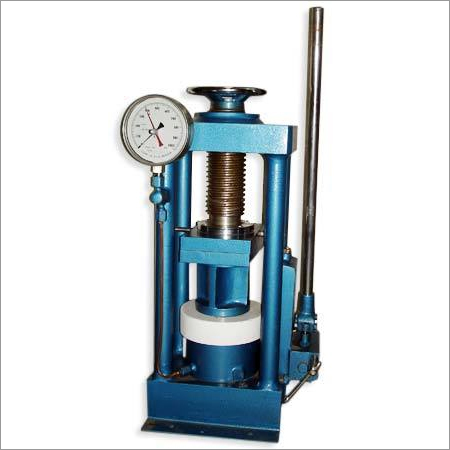
Compression Testing Machine is designed for testing materials under compression bending, shear loads, and transverse. With the help of this machine, hardness test on metals can also be conducted. We manufacture and supply the best quality Compression Testing Equipment in the market. We ensure our customers 100 percent satisfaction. The machines can be supplied in two variants that is hand operated and motorized.
Available Models : Versatile Testing CapabilitiesDesigned for materials testing in construction and civil engineering, this machine accurately assesses the compressive strength of samples. With a high maximum capacity and adjustable ram diameter and piston stroke, it accommodates various specimen requirements, meeting laboratory standards and industry regulations.
Precision and Safety FeaturesThe machine integrates advanced hydraulic technology and sensitive overload protection, delivering measurement accuracy within 1% of the indicated load. Its heavy-duty design maintains consistent performance, while user-friendly controls facilitate efficient and secure operation during every testing sequence.
Durable and Customizable ConstructionConstructed from high-quality mild steel and finished with a powder coating, the machine is both robust and corrosion-resistant. Optional color customization is available to match laboratory preferences or corporate branding, ensuring seamless integration into your testing workflow.
FAQs of Compression Testing Machine:
Q: How does the compression testing machine operate to measure the compressive strength of materials?
A: This machine applies a controlled hydraulic force using a hand-operated or digital control panel, gradually compressing the test specimen between pressure plates. The built-in display (analog or digital) records the maximum load at failure, which determines the materials compressive strength.
Q: What type of samples can be tested with this machine and in what settings is it typically used?
A: It is designed to test concrete, bricks, and similar construction materials. Commonly used in construction sites, civil engineering laboratories, and research facilities, the machine is ideal for material quality assessment and compliance verification.
Q: When is maintenance required for the compression testing machine?
A: Routine maintenance is recommended after a certain number of tests or as specified by the manufacturer. Regular checks of hydraulic components, calibration, and inspection for wear are essential to ensure ongoing accuracy and safety.
Q: Where can this machine be installed and what are its space requirements?
A: Due to its substantial weight (approximately 600-800 kg) and dimensions, it should be installed on a solid, level surface in a controlled laboratory or workshop environment. Adequate ventilation and power (220-240 V AC, 50 Hz) are necessary for optimal operation.
Q: What is the process for setting up and using the machine?
A: Setup involves positioning the specimen between the platens, adjusting spacers if needed, and selecting the appropriate operating mode (analog or digital). After initializing, the test is started by applying hydraulic pressure until the specimen ruptures. The result is recorded through the display panel.
Q: What are the primary benefits of using this compression testing machine?
A: Users benefit from high accuracy (1%), simple operation, enhanced safety via overload protection, and reliable performance due to its robust mild steel construction and powder-coated finish. These features ensure precise, repeatable results for material strength assessments.




 Send Inquiry
 Send Inquiry

