About Hydraulically Operated Brinell Hardness Tester
Hydraulically Operated Brinell Hardness Tester :
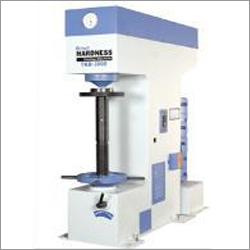
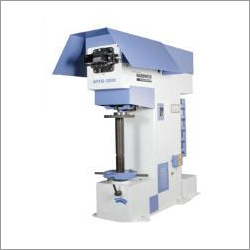
Machine designed with a hydraulic power pack and control circuit for effortless loading I unloading operation. A dial gauge in front measures depth of ball penetration. This facilitates production testing within tolerance limits by comparison method.
Features :
The Brinell Hardness Tester, is precision engineered conforming to IS : 228112005, BS : 240 and is most suitable for production testing. These machines are designed to measure hardness of castings, forgings, other metals and alloys of all kinds, hard or soft, whether, flat, round or irregular in shape. A separate hydraulic power pack placed at the bottom, makes the design more stable and easy serviceable.
Precision and Durability EnhancedDesigned with a rigid cast iron body and hardened steel components, this Brinell Hardness Tester provides long-lasting performance in demanding environments. Its powder-coated, corrosion-resistant finish keeps the instrument looking and functioning like new, even after extensive use. Mechanical overload protection ensures safe operation for both users and the equipment itself.
User-Friendly Manual OperationThe tester uses a hydraulic manual system, eliminating the need for electrical power and simplifying setup and maintenance. Quick test cycles and instant response times make it suitable for both seasoned technicians and beginners. All necessary accessories are included, ensuring you are ready to start testing right from the box.
Versatile Applications in Multiple SettingsThis Brinell Hardness Tester is adaptable for use in laboratories and industrial workshops. Capable of accommodating specimens up to 230 mm in height, it is ideal for a range of metals and alloys. Conformance to global standards like IS 2281, BS 10003, and ASTM E10 facilitates reliable results for research, quality control, and production processes.
FAQs of Hydraulically Operated Brinell Hardness Tester:
Q: How does the hydraulic operation of the Brinell Hardness Tester benefit the testing process?
A: The hydraulic manual system allows for smooth application of the selected test force, resulting in accurate and consistent indentation without relying on external power. This design reduces equipment downtime and makes the tester highly reliable in various environments.
Q: What types of materials can be tested with this equipment?
A: This Brinell Hardness Tester is suitable for a wide range of metals and alloys, especially those requiring test loads from 500 kgf to 3000 kgf. Its robust construction and high test force range make it ideal for steel, cast iron, non-ferrous metals, and other industrial materials.
Q: When should the calibration of the machine be checked?
A: Regular calibration should be performed as recommended by laboratory standards or after any significant move or repair. The machine conforms to IS 2281, BS 10003, and ASTM E10 standards, ensuring traceable and reliable calibration routines.
Q: Where can this hardness tester be used effectively?
A: This tester is designed for bench-type mounting and is suitable for use in laboratories, workshops, and industrial quality control rooms. Its manual operation and lack of power requirement make it versatile across various testing locations.
Q: What is the process for conducting a hardness test with this machine?
A: The specimen is placed on the appropriate test table, the load is selected, and the hydraulic lever is operated to press the indenter into the sample. After holding the load for a specified period, the indentation is measured using the provided Brinell microscope, and hardness is calculated accordingly.
Q: How is user safety ensured during operation?
A: Mechanical overload protection is built into the tester to prevent damage from excessive force, safeguarding both the operator and the device during testing cycles.
Q: What advantages does manual operation provide over automated models?
A: Manual operation offers portability, independence from electric power, instant readiness, and straightforward maintenance. This makes the tester ideal for fieldwork and facilities where consistent power supply or advanced infrastructure may not be available.




 Send Inquiry
 Send Inquiry

