About Compression Testing Machine
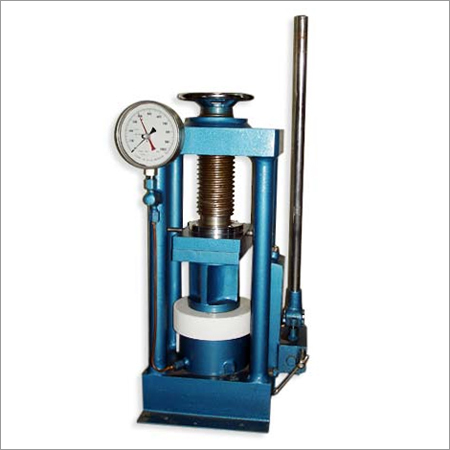
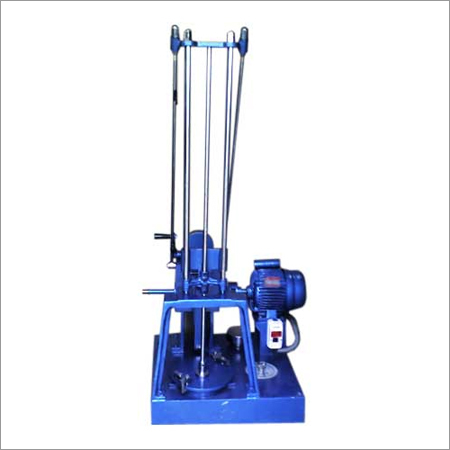
Compression Testing Machine A Compression Testing Machine is designed for testing materials under compression bending, shear loads, and transverse. With the help of this machine, hardness test on metals can also be conducted. We manufacture and supply the best quality Compression Testing Equipment in the market. We ensure our customers 100 percent satisfaction. The machines can be supplied in two variants that is hand operated and motorized. Available Models Precise Strength EvaluationThis machine offers exceptional accuracy for compressive strength testing, ensuring your concrete cube and cylinder specimens are evaluated with 1% precision of the indicated load. The analog gauge allows for straightforward readings, enabling operators to monitor applied loads effectively during tests.
Rugged and Reliable ConstructionManufactured with a heavy-duty welded steel frame and powder-coated for extended durability, this testing machine is built to withstand intensive laboratory use. Its robust design, paired with a customizable platen size and load capacity, fits a variety of testing requirements and specimens.
User-Friendly Manual OperationThe system is operated via a manual control valve and hydraulic hand pump, providing tactile feedback and enhanced operator safety. The semi-automatic setup and easy-to-use hand wheel make testing procedures simple while maintaining precision.
FAQs of Compression Testing Machine:
Q: How is the compression test conducted with this machine?
A: To perform a compression test, place your test specimen between the platens. Use the hydraulic hand pump to apply pressure, and monitor the load on the analog gauge. The specimens compressive strength is determined by the load indicated upon specimen failure.
Q: What types of specimens can this compression testing machine accommodate?
A: This machine is specifically designed for cube and cylinder specimens typically used in construction and material testing laboratories. The 165 mm x 165 mm platen size suits standard-sized samples.
Q: When should calibration or maintenance be performed?
A: Calibration should be checked periodically per your labs quality standards or regulatory requirements, especially before critical testing projects. Basic maintenance includes regular inspection, cleaning of the platens, and checking hydraulic system integrity.
Q: Where is this machine typically used?
A: It is used in material testing laboratories, construction sites, and research facilities requiring accurate measurement of compressive strength for building materials like concrete.
Q: What is the process for customizing the load capacity?
A: Customizing the load capacity involves choosing from the machines available capacity options (1000 kN to 2000 kN) to match your testing needs during the ordering process. Consult the manufacturer or supplier for proper configuration based on intended specimen size and material.
Q: What are the key benefits of using this manual compression tester?
A: Benefits include high testing accuracy, durability due to rugged steel construction, ease of operation, safety features, and the adaptability to various concrete testing needs. Its analog system offers clear readings for reliable results.
Q: How does the manual hydraulic system operate?
A: The hydraulic hand pump is manually operated to apply controlled pressure to the specimen. The process is regulated through a manual control valve, allowing operators to precisely increase and hold the desired testing load.




 Send Inquiry
 Send Inquiry

