About Wet Grinding Ball Mill
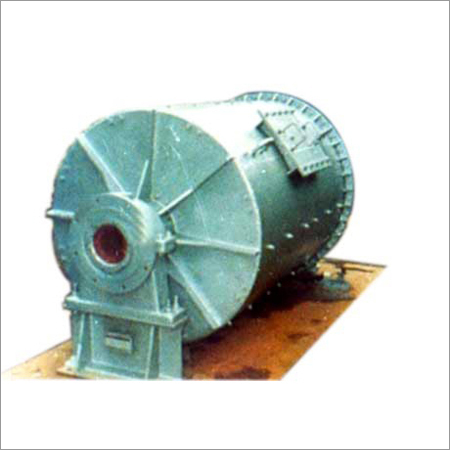
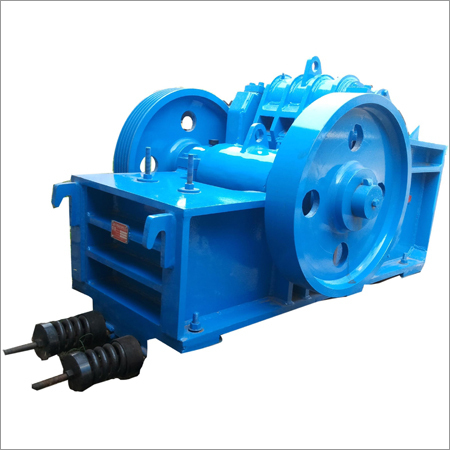
Our company devotes immense attention towards manufacturing and supplying superior quality range of Wet Grinding Ball Mill. Owing to features like fine crushing, robust construction and efficient performance, these mills are used for grinding of abrasive Ores like graphite, manganese and chromite. In order to manufacture high quality Wet Grinding Ball Mill, our professionals employ advanced machines and utilize quality tested material procured from the authentic vendors. Be it in the domestic market or international, our offered machines are acknowledged and cherished over the global platform.
Capacity Available:
40Kgs/hr-4000Kgs/hr
Versatile Size and Capacity RangeThis ball mill accommodates a wide range of operational demands with drum diameters from 600 mm up to 2400 mm and lengths between 1500 mm and 5000 mm. This versatility enables users to select the size and configuration best suited to their specific processing needs.
Durable Materials and Efficient TechnologyConstructed from mild steel and finished with a protective paint coating, the mill features liners in either high manganese steel or rubber. Its wet grinding technology, paired with steel, ceramic, or special alloy balls, ensures optimal energy efficiency and reliable grinding or mixing performance for diverse industries.
FAQs of Wet Grinding Ball Mill:
Q: How does a wet grinding ball mill operate in mineral processing or cement production?
A: The wet grinding ball mill utilizes electric motors to rotate a drum containing grinding media and the feed material, suspended in water. This process breaks down raw materials like ores or clinker into fine particles, ideal for further processing in mineral beneficiation or cement production.
Q: What materials can be processed using this wet grinding ball mill?
A: This ball mill is suitable for grinding a wide variety of materials, including minerals, cement clinker, pigments for paints, ceramic powders, and chemicals. Its adaptable design supports industrial requirements in mineral processing, cement manufacturing, ceramic, and paint industries.
Q: When should I choose a high manganese steel liner versus a rubber liner for the drum?
A: High manganese steel liners are recommended for applications requiring higher resistance to abrasion and impact, such as in mineral processing. Rubber liners are generally selected for quieter operation and reduced wear when processing less abrasive materials, like certain chemicals or ceramics.
Q: Where is this wet grinding ball mill typically installed?
A: These ball mills are commonly installed in mineral processing plants, cement factories, paint manufacturing units, ceramic processing facilities, and chemical production plants. Their adaptable design allows integration into various industrial setups across India and abroad.
Q: What is the grinding process and how does the mill discharge material?
A: The grinding process involves tumbling the material with heavy balls in water to achieve desired particle sizing. Discharge can be customized as either overflow for finer products or grate discharge for coarser output, depending on process requirements.
Q: How do users benefit from this energy-efficient and robust construction?
A: Users gain from reduced operational costs due to the ball mills energy-efficient technology and robust construction, which ensure longevity and minimize maintenance. High precision improves product quality, while the low noise level creates safer working conditions.




 Send Inquiry
 Send Inquiry

